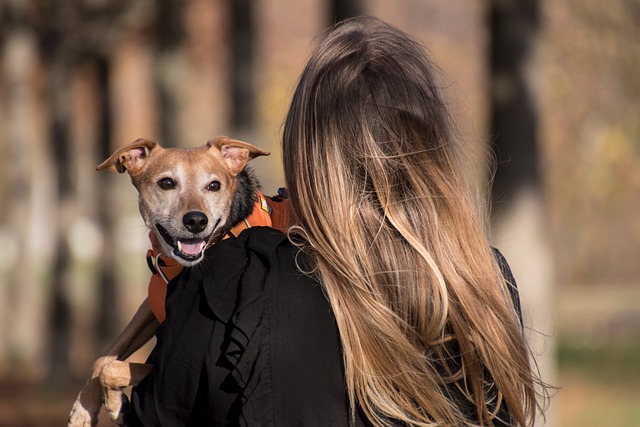
Pet Sitting Adventures: A Day in the Life of Furry Companions and Dog Walking Bonds
Pet sitting and dog walking services are essential for dog owners who need temporary care for their .......
Read more →
Pet-Sitting and Dog Walking: A Comprehensive Overview
Introduction The bond between humans and pets is a testament to the depth of companionship and affection that animals can offer. As pet ownership continues to rise globally, so does the need for reliable and responsible pet-sitting and dog walking services. This article delves into the intricacies of this burgeoning industry, exploring its significance, global impact, economic considerations, technological advancements, policy frameworks, challenges, successful case studies, and future prospects. Readers will gain a comprehensive understanding of how "pet-sitting-and-dog-walking" has become an integral part of pet care and the lives of pet owners worldwide.
Understanding Pet-Sitting and Dog Walking Pet-sitting and dog walking encompass a range of services aimed at caring for pets when their owners are unable to do so. These services include feeding, providing fresh water, administering medications if necessary, and exercising the pet, particularly dogs, through walks. Historically, these tasks were typically performed by neighbors, friends, or family members; however, as lifestyles have become more varied and schedules more demanding, a professional market has emerged to meet this growing need.
The core components of pet-sitting and dog walking services include:
Global Impact and Trends The global impact of pet-sitting and dog walking is profound, reflecting a broader shift towards recognizing pets as valued family members. This shift has led to increased spending on pet care, with services ranging from basic home visits to luxury pet resorts. Key trends shaping the trajectory of this industry include:
Economic Considerations The economic aspects of pet-sitting and dog walking are multifaceted. Market dynamics range from solo entrepreneurs to large franchises, with service offerings varying from basic to premium. Investment patterns indicate a trend towards specialized services, such as those catering to specific breeds or providing additional training during walks. In economic systems, pet-sitting and dog walking contribute to job creation, local commerce through increased spending on pet care, and the overall well-being of communities by fostering social interactions.
Technological Advancements Technology has revolutionized the pet-sitting and dog walking industry, with advancements including:
Policy and Regulation Policies and regulations governing pet-sitting and dog walking vary by jurisdiction but are increasingly focused on animal welfare and public safety. Key considerations include:
Challenges and Criticisms The pet-sitting and dog walking industry faces several challenges, including:
To overcome these challenges, industry players are focusing on professionalization, training standards, and ethical business practices. Building a reputation for reliability and trust is crucial for long-term success in this market.
Successful Case Studies Several companies have set benchmarks for excellence in the pet-sitting and dog walking industry. These case studies demonstrate best practices in:
Future Prospects The future of pet-sitting and dog walking is bright, with prospects for continued growth and innovation. Trends suggest an expansion in service offerings, including specialized care for elderly pets or those with special needs. The industry will likely see further technological advancements, such as automated home feeders or AI-driven wellness monitoring systems. As the human-animal bond strengthens, the demand for high-quality pet care services is expected to rise, making this sector a resilient and rewarding investment opportunity.
In conclusion, the industry of pet-sitting and dog walking is a testament to the growing importance of pets in our lives. It reflects a confluence of economic, technological, social, and ethical considerations, all aimed at ensuring the well-being of our furry companions. As this market continues to evolve, it will undoubtedly play a significant role in shaping the future of pet care.